


-
Acoustic research tests are probably carried out in conditions isolated from outside noise, neutralizing the acoustic effects of the halls, etc. nothing comparable with the diverse reality of a concert venue
 Originally Posted by pauln
a fact that has nothing to do: the Japanese, like the Indonesians I think, do not hear sounds with the same part of the brain as Westerners, it would be closer to the birds, and we understand better then how this could have influenced their traditionnal music
-
01-27-2020 09:41 PM

-
That's quite what I told myself when I wrote my answer. He was professional, big band, with his klezmer orchestra, his jazz quartet, my amateur band... He played in many countries... And all this is far away, in the 80s, I lost sight of it, I can not ask him the question Originally Posted by Vladan
the advantage of the relative ear and not absolute is that you can agree as you want. When I was working on the double bass, I wasn't looking for the 440hz. Anyway, I have never made any progress in absolute pitch. When I hear a tonal song, it sings the lyrics in my head sol sol sol do do ré ré sol mi do ... no matter the tonality, even a fourth of the gap. I have to find tricks when the tonality changes. But I never have a problem to play in the 12 tones, because for me, the "lyrics" do do do ré mi are always the same: it's my very special memory of standards
-
That's "Movable do solfège" - Solfege - Wikipedia Originally Posted by Patlotch
-
yes, we found this principle in John Mehegan, 1959 Originally Posted by pauln
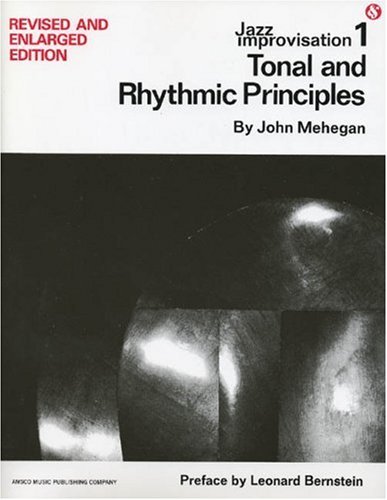
I did "Movable do solfège" as a kind without knowing it, like Mr. Jourdain was doing prose (Molière, Le Bourgeois Gentilhomme). I didn't know that this system was taught, and I invented syllables for altered notes: dob deu, do# dè, mib mé, fa# fè etc.
-
-
It's Thelonious Monk! Originally Posted by medblues


 Reply With Quote


New LEDs Day
Today, 07:28 PM in Other Styles / Instruments